Cameo of Ponytail: A Designer's Honest Stitch Test
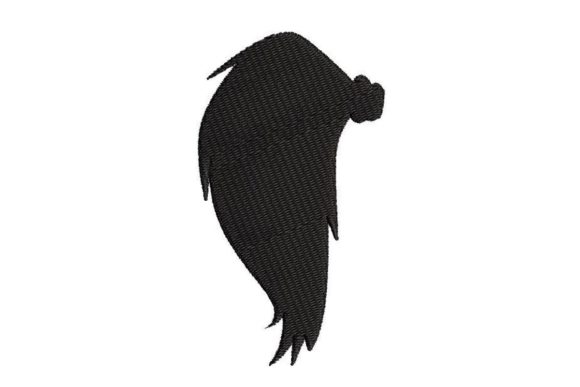
Some embroidery designs arrive with a quiet kind of confidence. They don't shout for attention with overly complex fills or trends that will date themselves in six months. Cameo of Ponytail is exactly that type of file. When I opened it up and started mapping it onto a project layout, the first thing I noticed was how naturally it settled into a composition. The silhouette feels feminine without tipping into anything fussy, and the profile view gives it a classic cameo sensibility that small shop customers consistently gravitate toward.
From a designer's perspective, the appeal here is rooted in versatility mixed with recognition. A ponytail silhouette carries enough universal charm that it works across demographics, yet the cameo framing elevates it past a basic shape into something that reads as intentional design. That distinction matters when you're pricing finished goods for a craft fair or styling product photography for an Etsy thumbnail.
First Impression: What the Design Communicates
Right away, Cameo of Ponytail sets a mood that falls somewhere between vintage keepsake and modern boutique aesthetic. The profile shape references traditional cameo jewelry, which brings a sense of heritage and handcrafted value. But the ponytail element keeps it fresh, playful, and wearable. When I mock up designs for client review, I'm always watching for that balance point where a motif feels special without feeling niche. This one lands there comfortably.
The layout appears clean and well-proportioned. Cameo-style designs can sometimes get bogged down with heavy outlines or overly dense satin borders that drag down lightweight fabrics, but the visual weight here looks thoughtfully distributed. For anyone who stitches on cotton, linen, or soft woven blends regularly, that's a relief. You don't want to spend thirty minutes troubleshooting puckering because a border was engineered too aggressively.
One thing I appreciated immediately: the design reads clearly even at a reduced size on screen. That's usually a good sign that smaller details won't collapse into a thread blob when you scale it down for a pocket placement or a baby bib corner.
Where This Design Truly Belongs
If I were planning a product line around Cameo of Ponytail, I'd anchor it in personalization and gift-ready items. This is the kind of motif that makes someone pause while browsing a market stall because it feels like it was made for them. The ponytail silhouette is relatable without being generic, which gives it strong giftability across generations.
Here is where I see it performing best:
- Tote bags with the design centered on a medium-weight canvas panel. The cameo framing gives it a structured, polished finish that upgrades a simple tote into something boutique-worthy.
- Sweatshirt embroidery placed on the upper left chest or centered just below the collar on crewnecks. The profile orientation works beautifully in vertical compositions.
- Pillow covers and linen decor where the design can sit as a focal point on a single-color background. Think natural linen with a soft blush or charcoal thread.
- Aprons and kitchen textiles, especially for a gifting line aimed at bridal showers or Mother's Day shoppers.
- Small pouches and cosmetic bags where a compact cameo motif adds perceived value without overwhelming the product.
- Baby and nursery items on soft knits or quilted blankets for a sweet, keepsake-quality finish.
What ties all of these together is the quiet elegance factor. This isn't a loud novelty design, so it won't fight with patterned fabric or competing visual elements. It complements rather than competes, and in a retail setting, that quality tends to widen the buyer pool rather than narrow it.
A Real Scenario: The Custom Tote That Sold Out
I want to walk through a practical situation because that's where design evaluation actually happens. Last month I was prepping a small run of embroidered totes for a local pop-up event. I had been testing several machine embroidery design files in the Beauty category, trying to find one that would appeal to women in their twenties through fifties without leaning too young or too mature.
I stitched out Cameo of Ponytail on a natural cotton canvas tote using a soft taupe thread with just a hint of sheen. The placement was centered and slightly elevated toward the top third of the bag. After hooping with a medium-weight cutaway stabilizer and running a test stitch, the result was exactly what I'd hoped for. The profile read clearly, the ponytail detail held its shape, and the cameo border framed everything with enough definition to feel intentional but not heavy.
Here is what surprised me: customers kept picking up that tote and holding it at arm's length, tilting their heads like they were recognizing something. One woman said it reminded her of a silhouette portrait her grandmother had. Another asked if I could stitch it on a sweatshirt in cream thread. That kind of emotional response is hard to engineer deliberately, but certain silhouettes tap into it naturally. Cameo of Ponytail does exactly that.
By the end of the event, every single tote with this design had sold. I'm not saying that will happen every time, but I am saying the design earned its place on a restock list.
Practical Stitching Notes from the Hoop
Let's talk about what actually happens when thread meets fabric. I always recommend stitching a test swatch before committing to a final product, and Cameo of Ponytail is no exception. The things I look for in a test run are stitch density around curves, how small interior details render, whether any jumps or trims are excessive, and overall registration.
Here are my practical notes:
- Stabilizer choice matters. On woven fabrics like cotton or linen, a medium cutaway stabilizer gives clean results without adding stiffness. For knits or anything with stretch, add a layer of mesh stabilizer underneath to prevent distortion. The cameo border needs a stable foundation to hold its shape through washing and wear.
- Thread color contrast is your design tool. I tested this in a tonal palette first, and it was lovely, but a slightly higher contrast between the main silhouette and the background fabric made the profile pop more effectively. Don't be afraid to test it in two or three colorways before settling on your production version.
- Watch small interior spaces. Any design with a cameo shape has the potential for tiny gaps or details within the profile. Check those areas on your test stitch. If your machine tends to chew up fine details in dense designs, consider slowing the stitch speed slightly for the final run.
- Hoop size awareness is essential. The product description notes that this embroidery design comes with multiple embroidery formats and sizing options. Confirm the exact hoop requirements before you start. A design that looks generous at five inches might feel cramped at three and a half, especially with the cameo border eating into the interior space.
One caution worth mentioning: curved surfaces like caps and hat fronts can distort a symmetrical cameo shape if the design wasn't digitized with that curve in mind. If you're planning to use Cameo of Ponytail on headwear, test it on a curved surface early in the process rather than assuming it will translate cleanly from a flat layout.
Fabric Pairings That Make It Shine
Not every design looks good on every fabric, and pretending otherwise does a disservice to anyone investing time and materials. Through testing, I've found Cameo of Ponytail performs best on smooth to lightly textured wovens. Cotton canvas, linen blends, twill, and quality quilting cotton all give excellent results. The profile reads clearly and the cameo border sits flat without tunneling.
On plush or napped fabrics like fleece, terry cloth, or velvet, you will need to account for the pile swallowing some detail. A water-soluble topper can help keep the stitches sitting on top of the nap rather than sinking in, but I'd still recommend testing before committing to a large production run on those surfaces.
Dark fabrics present an interesting opportunity here. The silhouette effect of a cameo can look incredibly striking when stitched in a lighter thread on a deep background. Think ivory thread on charcoal canvas for a tote bag, or dusty rose on navy linen for a pillow cover. Just compensate for any show-through by using a dense enough fill in light thread areas and checking your stabilizer game.
Business Applications and Customer Perception
For Etsy sellers, craft business owners, and small shop operators, the decision to use any embroidery design comes down to return on creative investment. Does it photograph well? Does it appeal broadly enough to justify tying up inventory and materials? Does it communicate a clear style that fits the shop's brand?
Cameo of Ponytail checks those boxes in ways that practical sellers will appreciate. The design photographs beautifully against neutral backgrounds, which matters enormously for thumbnail images and social media posts. It communicates a distinct aesthetic, somewhere between vintage romance and modern minimalism, that works well for brands building a signature look. And because the subject matter is universally recognizable without being overly specific, it doesn't pigeonhole a shop into one narrow niche.
From a commercial embroidery standpoint, the design's appeal extends beyond personal gift items. Boutique clothing brands looking for small, elegant motifs for collar details, pocket accents, or sleeve embellishments could easily incorporate this into a seasonal collection. The Beauty category association only strengthens that positioning.
For those creating printable mockups or digital product previews, the clean silhouette makes it straightforward to layer convincingly onto product photography. A design that is too visually busy can be hard to mock up realistically, but the cameo format keeps things crisp and legible even in flat preview images.
Washing, Wear, and Long-Term Durability
Any product that will go through multiple wash cycles needs a design that holds up. In my experience testing designs on tote bags and garments that see regular laundering, the main factors are stitch density balance and edge finishing. A cameo border that is overly dense can become stiff and eventually crack if the fabric flexes differently than the thread. A border that is too light can fray or lose definition after repeated washing.
I recommend running a wash test on at least one sample before listing finished products. Wash cold, dry low, and inspect the edges of the cameo border for any lifting or fuzzing. If you are selling to customers who expect long-term durability, conduct this test regardless of how clean the initial stitch-out looks. Peace of mind is worth the extra time and one sacrificial sample.
Giftability and the Emotional Purchase Factor
Most buyers of handmade products and personalized gifts are making an emotional decision. They want something that feels chosen, not mass-produced. A cameo silhouette carries inherent sentimental weight because it references a tradition of portraiture and keepsake artistry. When a customer buys a tote or pillow cover featuring Cameo of Ponytail, they are often buying it for someone they care about. That emotional context translates into higher perceived value and stronger word-of-mouth referrals.
For makers preparing holiday inventory or bridal collections, this design slots naturally into gifting lines. Pair it with a name or date in a complementary font stitched beneath the cameo, and you have an elevated personalized item with minimal additional digitizing work.
Final Design Judgment
Evaluating any digital embroidery file comes down to a few honest questions. Does it stitch cleanly on the fabrics your customers actually buy? Does it communicate enough personality to stand out without being so trendy it dates quickly? Does it scale well across the product types that generate consistent revenue?
On all three counts, Cameo of Ponytail earns a confident recommendation. The design is practical enough for everyday crafting yet refined enough to anchor a boutique product line. It rewards careful fabric and thread choices without being overly demanding, and it fills a specific aesthetic niche that many small shops and independent makers will recognize as commercially valuable.
Before purchasing, confirm the specific file formats, hoop size requirements, and commercial licensing terms directly from the product listing. The description indicates this machine embroidery design comes with multiple embroidery formats and is designed to work beautifully on your machine, but verifying those details against your specific setup is always a sound practice. Test it thoroughly, play with color and placement, and then let the design do what well-made cameo silhouettes reliably do: create products that people want to keep, gift, and come back for.