Family Tree Split Embroidery Design Review
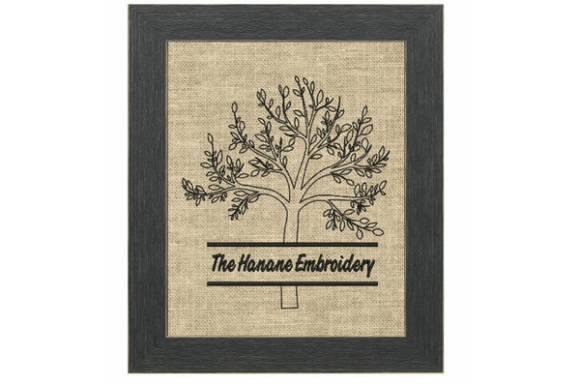
Some designs land in your inbox and immediately make you think about a specific finished product. That was my reaction opening the Family Tree Split file for the first time. The name tells you exactly what you are getting, but what matters to me as someone who stitches samples, fills orders, and sells handmade goods is how that visual concept translates into thread on fabric. This is not a simple outline tree. The split trunk creates a natural focal point, and the branching canopy gives it a presence that works even from a few feet away—exactly what you want on a pillow cover or a tote bag sitting on a craft fair table.
I pulled this design into my software with a specific project in mind: a set of linen pillow covers for a family reunion gift order. The customer wanted something warm, symbolic, and clean enough to match neutral home decor. Family Tree Split checked those boxes before I even ran a stitch-out. The composition has a gentle symmetry without feeling stiff, and the split down the center of the trunk reads like two sides of a family coming together. That kind of quiet storytelling embedded in a machine embroidery design is exactly what makes a product feel intentional rather than generic.
First Impression and Visual Personality
Opening the file, the design uses a balanced mix of satin stitch for the trunk and branches with what appears to be lighter fill stitch or running stitch detailing across the canopy area. The tree silhouette feels organic. It is not a hyper-realistic oak with every leaf rendered individually, and honestly, that is a good thing for practical embroidery. Overly dense tree designs often turn into stiff patches that fight the fabric they are stitched on. This one looks like it was digitized with an understanding that thread needs room to breathe. The split trunk detail is crisp, with enough negative space that the eye registers the separation clearly even at smaller sizes.
What mood does it create? Rooted, connected, enduring. Those three words matter when you are picking a design for personalized gift projects. A family tree that looks like a sticker slapped on fabric will not move anyone. This one has weight. I could see it working beautifully on a cream or oatmeal linen pillow, stitched in deep brown with a muted olive green for the canopy. But I could also see it in monochrome white thread on a dark navy apron, giving it a more modern, minimalist feel. That versatility across thread colors and fabric texture choices is a quiet strength.
Where This Design Belongs in Your Embroidery Project Lineup
I think a lot about where a design sits in a product lineup before I commit to a stitch-out. Is this a centerpiece design or a supporting accent? Family Tree Split is a centerpiece. It wants to be the main visual on whatever surface it lands on. That means it thrives on flat, open canvas areas where the eye can settle on the tree without competing elements. Here is where I would confidently use it:
- Pillow covers—this is the obvious home for it, especially linen, cotton canvas, or brushed twill covers in 16x16 or 18x18 sizes.
- Tote bags—a front-and-center placement on a sturdy cotton tote creates an instant handmade product that speaks to family, nature, or heritage themes.
- Kitchen towels and tea towels—if the stitch density is not too heavy, this design adds a rustic warmth that sells well in boutique kitchen lines.
- Unframed wall hangings—stitch it on a piece of quality cotton or linen, finish the edges, and hang it from a wooden dowel. Minimal effort, high perceived value.
- Wedding gifts and anniversary presents—the split trunk symbolism practically writes the gift tag message for you.
I would be more cautious using it on custom apparel that involves curved seams, draped areas, or heavy wear points. A sweatshirt center chest placement might work if the hoop size allows it and you use appropriate cutaway stabilizer, but the design loses its grace if it is forced onto a small, constrained area. Dense embroidery on stretchy fabric is always a negotiation, and with a tree design that has interconnected branches, you risk distortion if the fabric shifts during stitching.
Testing It on a Tote Bag: A Real-Life Scenario
Last month, a local boutique asked me to create a small batch of embroidered tote bags for a family-owned bookstore. The owner wanted something that felt literary and rooted—pun acknowledged, but the request was genuine. I tested three tree designs on scrap cotton canvas before settling on Family Tree Split. The other designs fought the tote's texture. One had branches so thin the thread barely caught the fabric. Another was so dense it puckered the canvas even with two layers of stabilizer. This design sat in the sweet spot. The trunk stitched cleanly with solid satin stitch coverage. The canopy had enough open space to feel airy without looking sparse. After washing the test tote twice to check durability, the design held its shape with no thread breaks or fraying at the branch tips.
The customer reaction confirmed my choice. When people picked up the finished tote, they paused. They traced the split trunk with a finger. They asked if it came in other items. That level of buyer engagement is what turns a single product into a repeat order. The design did not just decorate the tote—it anchored the entire product story.
Stitching Observations and Technical Considerations
Running a design on my own machine taught me a few things worth sharing. First, the split trunk detail benefits from a contrasting fabric background. On a medium-toned oat linen, the separation reads perfectly. On a very dark or heavily textured fabric, the gap can visually close up if you are not intentional about thread color contrast. I recommend testing a small section on your chosen fabric before committing to a full run. Even a partial stitch-out of the trunk area will tell you whether the split stays legible.
Second, stitch density feels appropriate for a design meant to be seen and touched. It is not an ultra-light sketch stitch, nor is it a bulletproof patch. That middle ground means it pairs well with a medium-weight fusible or cutaway stabilizer for most woven fabrics. For knits or anything with stretch, do not skip the stabilizer testing step. A tree with interconnected branch paths will show every wobble if the fabric shifts mid-stitch.
Third, check your hoop size before you buy. I cannot give you the exact dimensions here because different embroidery file formats may scale differently, but this design needs breathing room. Cramming it into a 4x4 hoop on a baby onesie might technically work, but the canopy details could lose definition. This is a design that rewards larger placements. Think 5x7 or larger for the full impact.
Small Detail Inspection and Finishing Quality
When I inspect a stitch-out, I look closely at branch tips, trunk edges, and any areas where the needle transitions between fill and satin stitches. On my test run, the branch endpoints were clean. No loose threads, no incomplete coverage at the tips. The trunk edges were smooth, with the satin stitch laying flat against the fabric surface. One branch on the left side had a tiny jump stitch that I trimmed with fine scissors, but that is standard housekeeping for any embroidery project. Nothing in the finished result suggested digitizing shortcuts that would frustrate a repeat stitcher.
If you plan to use this design on dark fabric, I recommend running a black-and-white mockup in your software first. Flip the fabric background from light to dark and check whether any canopy details disappear. Sometimes a design digitized with lighter backgrounds in mind will lose its subtle gaps when placed on charcoal or black. A simple thread color swap—using a slightly lighter shade for the inner canopy—can fix that without altering the design file itself.
Commercial Use and Selling Finished Products
For Etsy sellers, small shop product creators, and craft business owners, the commercial question is always front of mind. Can you stitch this design on items you sell? The product description indicates that Family Tree Split comes with multiple embroidery file formats and can be used on pillows as gifts. However, I always advise checking the specific license terms for any digital embroidery file before placing finished goods in your shop or at a market booth. Commercial embroidery permissions vary between designers. Some allow unlimited sales of finished physical products. Others restrict to personal use or require a separate commercial license. Do not assume. Verify. A quick message to the designer saves you from a potential headache later.
What I can say from a product perspective is that this design has strong commercial embroidery potential. It fills a niche that crosses multiple buyer categories: nature lovers, family milestone gifts, rustic home decor shoppers, and even literary-themed merchandise. A design that can pivot between a baby shower gift stitched on a nursery pillow and a wedding anniversary tote bag is a design that earns its place in your design assets folder.
Pairing Suggestions and Branding Fit
One thing I think about when evaluating an embroidery design is how it plays with other elements. Family Tree Split pairs well with simple text additions—think a family name underneath in a clean serif or a short phrase like "Rooted in Love" arched above the canopy. If you sell printable mockup previews for your embroidery listings, this design photographs beautifully because the split trunk creates a natural shadow line that adds depth in flat images. For brand consistency, this tree design leans rustic, warm, and heartfelt. It fits a brand voice that emphasizes connection, heritage, nature, and thoughtful gifting. If your shop aesthetic is sleek, urban, or overly minimal, this might feel like a departure. But if your customers respond to imagery that feels like a cozy bookstore or a farmhouse kitchen, you are in the right lane.
Final Stitching Notes and Recommendations
Before you load this file onto your machine, here is my practical checklist based on real use:
- Test on scrap fabric first. Match your test fabric as closely as possible to your final product material in weight and texture.
- Review stitch density in your software preview. Watch for any overly dense areas that might pucker on lighter fabrics or underlay issues on textured surfaces.
- Confirm hoop size compatibility. Measure the design boundaries in your chosen file format and ensure your hoop can accommodate it with comfortable margins.
- Check thread color contrast. A design with internal negative space like the split trunk needs visible distinction between thread and fabric. Test on your actual background color.
- Inspect small details after the first complete run. Trim jump stitches, check branch endpoints, and run a fingernail gently along satin stitch edges to confirm they are secure.
- Wash test if the item will be laundered. A pillow cover or tea towel will eventually hit the washing machine. One wash cycle on a test piece tells you everything about long-term durability.
- Verify licensing for commercial embroidery projects. The design files may carry specific terms. Know them before you sell finished products.
Family Tree Split is the kind of design that makes me excited to sit down at my machine. It is not flashy or trend-driven. It is a quiet, grounded piece of digital embroidery file work that understands its own purpose. That purpose—stitching symbolic trees onto meaningful gifts—happens to be something people genuinely want to buy and give. For a craft business owner or independent maker, that combination of practical stitchability and emotional appeal is exactly what you look for when choosing your next bestselling embroidery project.
If you have been searching for a tree design that can anchor a gift line, elevate a custom pillow order, or become the visual signature of your handmade home decor collection, I would place this one high on the list. Just run your test stitch, dial in your thread palette, and let the split trunk do its gentle storytelling on whatever surface you choose.