FSL Heart Suncatcher: A Designer’s Craft Fair Review
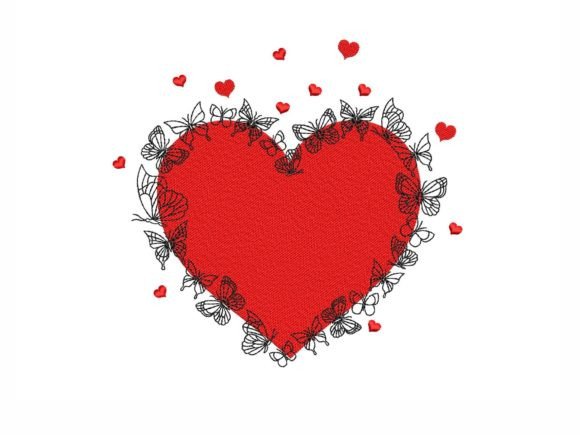
When you unzip a new embroidery file and the first thing you see is a freestanding lace heart built to catch light, your craft fair brain instantly shifts into product mode. The FSL Heart Suncatcher is one of those designs that stops you mid-scroll — not because it shouts, but because it promises something delicate and sellable that people actually pick up from a booth table. As someone who stitches for weekend markets and handmade shop restocks, I immediately started thinking about window displays, Valentine’s Day impulse buys, and the way sunlight hits a well-made piece of lace.
First Impression: Light, Airy, and Deceptively Simple
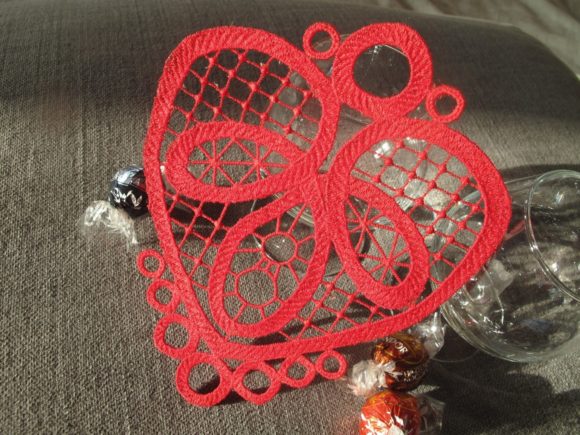
Right out of the digital folder, this heart feels intentionally soft and classic. It is not a heavy, dense patch, nor is it a cutesy cartoon. It lands in that sweet spot between elegant farmhouse decor and delicate festive accent. The FSL construction means the heart is meant to stand alone — no background fabric, no tear-away fuss. Just a sculpted, openwork heart that looks like it belongs hanging in a sunlit window or tied to a gift bag. For a craft fair table, that kind of clarity is priceless. Customers understand what they are buying in under three seconds.
The absence of fabric backing gives the design a premium, handmade quality that printed banners or paper cutouts cannot match. Even from a few feet away, it catches the eye with the promise of texture. Walk past a booth and a row of these heart suncatchers gently spinning on a display stand — immediate stop-and-look reaction.
Where the FSL Heart Suncatcher Fits Into a Craft Fair Lineup
Most sellers overcomplicate their product mix. They cram embroidered tote bags, aprons, tea towels, and patches onto one table and hope for the best. The FSL Heart Suncatcher solves a common booth problem: you need small, affordable, high-dollar-density items that do not feel like an afterthought. Here is exactly how I would position it.
Hanging Window and Door Decor
This is the obvious home for a suncatcher. Thread a fine ribbon or organza loop through the top of the heart, add a suction cup hook, and you have a product ready for January and February markets. Talk to customers about hanging it in the kitchen window, on a sliding glass door, or even from a rearview mirror. The phrase “bright accent when decorating a room or window” from the product description is not just marketing fluff — it translates directly into how a shopper imagines the piece living in their home.
Gift Toppers and Giftable Embellishments
Do not underestimate the person who walks up looking for a “finishing touch.” A medium or small version of this heart tied onto a wrapped present, a wine bottle, or a craft paper gift bag instantly elevates the entire package. I would stitch a batch in classic red, blush pink, and ivory thread and offer them in sets of three at a small discount. The perceived value of a handmade lace ornament far exceeds the material cost, and customers love reusing them as tree ornaments or keepsakes.
Tote Bag and Pouch Accent Pieces
While the design is engineered as freestanding lace, a clever stitcher can sew the finished heart directly onto a fabric surface as an appliqué embellishment. I have tested similar FSL shapes on canvas tote bags, linen pouches, and even the corner of a plain pillow cover. The key is to treat the stitched-out heart like a patch — carefully position it, stitch a subtle zigzag or straight stitch around the outer edge, and let the lace texture pop against a solid background. Imagine an oatmeal-colored tote bag with a single crimson FSL heart near the bottom corner. It reads as modern, thoughtful, and boutique-quality.
Market Bags and Kitchen Towels
For kitchen towels, I would avoid stitching the heart directly onto terry cloth or textured weaves; the FSL detailing gets swallowed. Instead, create a small ribbon loop at the top of the heart and sell it as a towel charm — a decorative piece that slips over a towel ring or hooks onto a towel bar. It becomes a matching accent for a Valentine’s Day kitchen setup without interfering with the towel’s usability. Similarly, market bags with a metal ring or leather strap can host a small FSL heart as a removable charm.
Production Notes Every Maker Needs to Hear
Freestanding lace is a different animal than standard embroidery. It is not hard, but it punishes shortcuts. Before you print off a dozen hearts for your next show, run through this checklist.
Stitch Density and Structural Integrity
The heart shape must hold its form without collapsing or curling. Test the digitized stitch density on your machine. If the interior cutwork areas feel floppy after rinsing out the stabilizer, you may need to adjust the density or thread tension slightly. A well-designed FSL file already accounts for this, but every thread brand and machine behaves a little differently. Look for even, interlocking stitches with no long jump stitches that snag. The final piece should feel firm but still light.
Stabilizer and Wash-Away Routine
Use two layers of heavy water-soluble stabilizer for the crispest result. A film-type stabilizer on top with a fibrous wash-away beneath often gives the best support. After stitching, rinse thoroughly in warm water — not hot, or you risk distorting delicate thread work. Pat the heart flat between two towels and let it air dry on a non-stick surface. Do not wring it; every twist weakens the thread structure.
Thread Color Choices That Sell
Red and pink will move the most in early February, but do not only stock holiday colors. I would run a small batch in metallic gold, soft white, and a dusty rose. Those feel more home-decor and less seasonal. A white heart against a dark window looks striking, and people will buy it for spring and summer. A gold version markets itself as year-round wedding detail or nursery accent. The design’s simplicity invites color play without clashing.
Size Versatility and Hoop Boundaries
Check the embroidery file specifications — if the design comes in multiple sizes, you have a built-in up-sell. Larger hearts anchor a feature window; smaller ones become keychains, ornament sets, or package ties. Keep in mind the minimum size threshold where the lace detail still reads clearly. If a 3-inch version loses the cutwork openness, skip it. The design needs breathing room.
Display Techniques That Stop Booth Traffic
A craft fair table full of suncatchers lying flat is a missed opportunity. I rig up a vertical display using a wooden dowel stand or a wire grid panel with small S-hooks. Light moves through the lace, and people walking by notice the movement first. Position the display near the front corner of your booth where sunlight or overhead lighting hits it. Even on a drizzly day, a clamp-on LED spotlight transforms a cluster of FSL hearts into something magnetic.
Group the hearts by thread color, but also mix and match gradient tones within the same row — it creates a subtle ombré effect that looks highly curated. Have one heart at eye level for touching; texture sells thread art. Customers want to feel the lace, and the moment they understand it is not stiff or plastic, they lean in.
Photographing the Heart for Etsy and Online Listings
If you sell both in-person and online, your product photos must convey translucency. Photograph the heart against a bright window with natural backlight. A second photo on a dark wooden surface or slate tile shows the lace detail without distraction. Include a shot that shows the heart hanging in context — a kitchen window, a door handle, a gift box. Etsy sellers who integrate lifestyle images consistently report higher conversion for decorative embroidery items. This heart is especially photogenic because the openwork creates interesting shadow patterns.
Commercial Considerations and Licensing
Before you flood your craft fair inventory, confirm the commercial embroidery license terms. Many digital embroidery file providers allow selling finished physical products, but some restrict certain markets or require attribution. Read the fine print. If the design is intended for personal use only, seek clearance before listing finished goods on Etsy or at a market. It protects your small shop and respects the digitizer’s work. In most cases, a standard license covers physical craft fair sales, but double-checking saves headaches later.
Batch Production Without Burnout
One of the strongest selling points of the FSL Heart Suncatcher is how repeatable it is. Once you dial in your stabilizer, thread, and drying method, you can run hearts in succession. Load multiple hoops or use a multi-needle machine to keep production moving while you package finished pieces. A batch of twenty hearts can be completed in a single evening, dried overnight, and ready for the Saturday morning market. That kind of efficiency keeps profit margins healthy.
Organize a small station for trimming excess stabilizer, finishing ribbon loops, and attaching hang tags. Standardize the packaging — a simple kraft backing card with a clear cellophane sleeve looks polished and protects the lace from crushing. Stamp your shop name on the back, and suddenly a $3 material investment becomes a $12 to $15 retail item that feels like a gift.
Common Pitfalls and How to Avoid Them
- Dense stitch areas near the center: Some heart designs pack too many tight fill stitches where the lobes meet. Watch for puckering and test on scrap stabilizer first.
- Tiny details that dissolve in water: If the file contains extremely narrow connecting threads, they may break during rinsing. Handle gently and consider adding a temporary spray fixative if needed.
- Curved surfaces on caps: If using the heart as a sewn-on patch for a cap, the dome shape of a baseball cap distorts the flat lace. Stick to flat fabric applications or leave it as a hanging ornament.
- Dark fabric behind the lace: A dark red heart on a black tote bag loses contrast. Always test your thread color against the background material; a lighter or brighter thread often reads better.
- Photographing without backlight: Flat, straight-on photos without light behind the lace make it look like a blob. Always capture at least one image with backlight to show the openwork.
Why the FSL Heart Suncatcher Deserves a Spot in Your Next Collection
Some designs work hard on a computer screen but fall flat in person. This heart does the opposite. Its value becomes apparent the moment you hold it up to a window. For a craft fair seller, that immediate sensory reaction — the slight movement, the way light flashes through thread — is exactly what turns a browser into a buyer. It is small, quick to produce, and emotionally evocative. Customers buy it for themselves, for a friend, for a hostess gift, for a dorm room window. It has legs beyond Valentine’s Day, especially in neutral metallics and soft naturals.
When I build a market collection, I look for anchor items, quick impulse buys, and conversation starters. The FSL Heart Suncatcher ticks all three. Pair it with heavier embroidered tea towels and padded totes to balance your product assortment. Let the lace do the delicate work of drawing people in, and let the larger pieces close the sale. That is the craft fair rhythm, and this design plays its part beautifully.
Test one heart this week. Play with thread colors, photograph it backlit, and hang it where you can see it as you work. I suspect you will start planning your next booth layout around a whole row of them.