Watermelon Gnome: A Practical Stitching Review
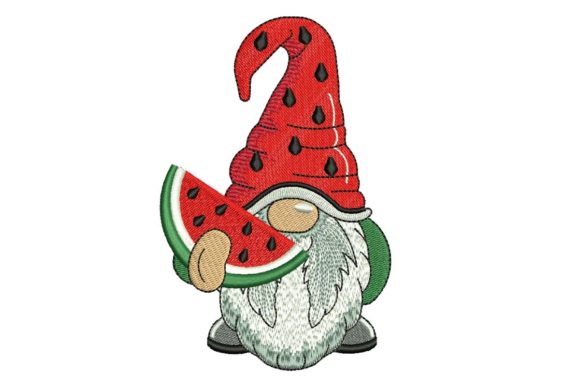
When I first opened the Watermelon Gnome embroidery file, I immediately smiled. The design has a playful, slightly whimsical personality that feels tailor-made for warm-weather projects. The gnome’s classic pointed hat, rounded nose, and cheerful beard are all present, but the watermelon theme gives it a fresh twist—think soft pink and green tones with just enough detail to feel special without overwhelming a beginner. It reads as a celebration of Summer without screaming it, which is exactly what you want when placing an embroidery design on something people will actually use. The overall shape sits nicely in a balanced portrait orientation, making it easy to frame on a tote bag or the center chest of a sweatshirt.
The mood is light, friendly, and approachable. I can picture a toddler reaching for a bib decorated with this gnome, or a customer at a craft fair picking up a kitchen towel and chuckling at the playful combination of garden gnome and fruit. There’s an immediate charm that makes the design feel like a small indulgence—something that would brighten a mundane object. As someone who stitches out dozens of designs a month, I’ve learned that this kind of visual warmth often translates into higher buyer engagement. People pause when a design makes them feel something, and Watermelon Gnome absolutely pulls that off.
Putting It to Work: A Boutique Tote Bag Request
A few weeks ago, a local boutique owner asked me to create a small run of customized canvas tote bags for a summer market pop-up. She wanted something cheerful, slightly rustic, but not too childish. I immediately thought of this design. I loaded the Watermelon Gnome file onto my machine and did a test stitch on a medium-weight natural cotton tote. The goal was a finished product that felt polished enough to gift but relaxed enough for everyday errands. The gnome sat beautifully on the front panel, with the watermelon details catching the light and the beard texture giving it a soft, tactile dimension that flat designs often lack.
Right away, I noticed that the design required mindful hooping. The gnome’s hat tip extends upward, and the beard flares out at the bottom, so you need a hoop that gives at least a half-inch clearance beyond the design’s perimeter to avoid hoop burn on the fabric. I used a 5x7 hoop and centered it carefully. The file stitched out cleanly, with only one thread change needed if you choose to simplify the palate—though I opted for a cheerful green, deep coral pink, and cream thread set to echo true watermelon colors. The end result looked professional, and the boutique owner sold every tote that weekend.
Stitch-Out Thoughts: Density, Details, and Fabric Behavior
Let’s talk about what actually happens under the needle. The Watermelon Gnome design relies heavily on satin stitch outlines and fill stitch segments that give the watermelon slices their distinct shape. The beard area uses a directional fill that mimics hair texture nicely—this is a smart choice because a pure satin stitch beard can sometimes look flat or plastic-like. Here, the slight texture adds depth. I did notice that the face area, where the nose meets the beard and the hat brim overlaps, has small intersecting satin columns. On my first test, I used a lightweight tear-away stabilizer on a cotton tote, and I caught a tiny bit of puckering right at the nose. Lesson learned: switch to a medium-weight cutaway stabilizer for anything that will be handled frequently, like bags or apparel. For towels, I’d add a water-soluble topper to prevent the nap from swallowing the stitches.
Thread color selection makes a noticeable difference. The design description suggests it works on any fabric, but in practice, a dark background like navy or black will demand a high-contrast palette. The watermelon rind’s green can easily blend in if you’re not careful. I tested a version on a charcoal sweatshirt and swapped the outer rind for a brighter lime green with a white underlay. That small tweak made the gnome pop. So while the file is well-digitized, your own eye for color will determine whether it looks elegant and gorgeous or a little muddy. Always do a quick stitch-out on a scrap of the actual fabric first.
Where This Gnome Truly Belongs
After stitching it on several substrates, I’d say Watermelon Gnome shines brightest on flat, stable surfaces. Think:
- Canvas or cotton tote bags
- Kitchen towels and tea towels
- Unstructured baseball caps (with careful placement)
- Pillow covers and nursery décor
- Patch blanks for iron-on or sew-on patches
- Lightweight sweatshirts or hoodies without bulky seams
- Aprons, especially half-aprons with a wide front
For baby items, I recommend this design on bibs, burp cloths, or simple rompers—the theme reads as sweet without being gendered, which makes it versatile for personalized gifts. On a small hoop, say 4x4, you might lose some of the beard detail if the design is scaled down. I haven’t tried reducing it, but I’d be cautious. The lettering or tiny decorative elements that sometimes accompany gnome designs are absent here, so there’s less to worry about, but tight corners around the hat tip and the watermelon seeds deserve respect. If you’re stitching on a cap, use a cap frame and hoop firmly, because the curved surface can distort the beard’s symmetry if it isn’t mounted perfectly flat.
The Cautious Side of Summer Stitching
I’m a big believer in being honest about limitations. The Watermelon Gnome design is not a one-size-fits-all miracle. Delicate fabrics like lightweight rayon or sheer linen will struggle under the stitch density unless you reinforce them with a fusible backing. Stretchy performance wear or ribbed tank tops absolutely need a cutaway stabilizer and possibly a basting spray to prevent shifting. The design also isn’t ideal for very small hoops—if you try to cram it into a 4x4, you’ll likely see loss of the sharp corners on the hat or the soft curve of the beard. It’s better to let it breathe in a 5x7 or larger.
Washability is another factor. On a tote bag that gets spot-cleaned, it’s fine. On a baby bib that will see frequent machine washing, you’ll want to use high-quality polyester thread and a dense satin stitch underlay to keep the satin edges from fraying over time. I also suggest a pressing cloth after washing to tame any thread fuzz. And if you plan to sell the finished product, include a care instruction tag—this protects the customer’s experience and reduces returns from mishandling. That’s just good practice for any Embroidery project in a commercial setting.
Customer Perception and Giftability
This design has a natural giftability factor. When I showed the tote bag to a few friends, the reaction was unanimous: “Oh, that’s adorable!” The watermelon theme triggers a sense of seasonal joy, but the gnome keeps it whimsical rather than juvenile. That balance is harder to achieve than it looks. I can easily see a lone gnome on a crisp white pillow cover, styled with a few other summer accents in a farmhouse porch setup. It reads as handmade without looking homemade—there’s a professionalism baked into the digitizing that gives the finished product a boutique-ready feel.
For Etsy sellers and craft business owners, this design slots comfortably into a summer collection. Use it on a range of products: tote bags, tea towels, unisex T-shirts, even a simple twill cap with the gnome centered on the front panel. Because the theme is seasonal but not explicitly tied to a single holiday, you can keep it listed from late spring through early fall. And if you offer personalization, adding a name or a short phrase underneath the gnome (in a hoop-friendly font) creates a personalized gift that commands a higher price point. Just test the lettering placement carefully—the beard can interfere if you’re not mindful of spacing.
Designer Notes: Before You Load the File
I always keep a checklist for any new machine embroidery design I bring into my workflow, and Watermelon Gnome is no exception. Here’s what I’d suggest:
- Check the file formats. The description mentions multiple formats, but confirm exactly which ones are included. Don’t assume your machine’s format is there; reach out to the seller if needed.
- Review stitch density. On your first test, watch how the thread lays on your chosen fabric. If you see puckering, increase the stabilizer weight or decrease the thread tension slightly.
- Hoop size and placement. Know your machine’s limitations. The design should sit comfortably inside the hoop with at least a half-inch margin. If your largest hoop is 5x7, this design will likely fit, but measure.
- Dark fabric test. Stitch it on black or navy fabric early on. The green rind and pink flesh may need a white underlay if the digitizing doesn’t include one, or you might need to adjust thread colors slightly.
- Test in grayscale. Print a black-and-white mockup. If the design loses its readability without color, you know the contrast relies heavily on hue—useful information for clients who might want monochromatic versions.
- License clarity. The description says it’s suitable for commercial projects, but always verify whether that includes selling physical finished items or digital embroidery files. A quick message to the digitizer can save you a legal headache.
These steps might seem extra, but when you’re selling to customers who expect a flawless product, they’re not optional. I’ve learned the hard way that skipping a test stitch on a new brand of sweatshirt can ruin a batch. The same care applies here.
Final Real-World Verdict
After stitching the Watermelon Gnome on a variety of fabrics and gauging real customer reactions, I’d confidently recommend it for anyone looking to add a sweet summer accent to their product line. It stitches cleanly, brings instant personality to simple items, and feels more thoughtful than a generic seasonal clipart design. The friendly gnome face appeals to all ages, and the watermelon twist gives it a trendy, artisan edge that fits right in with current market aesthetics. Just be smart about fabric choices, always use a proper stabilizer, and test on a sample before committing to a production run. Do that, and this little gnome might just become one of your best-sellers for the sunny season.